Building a home or a commercial structure ranks among the biggest investments you will ever make. Every wall you raise, and every foundation you pour, depends on one critical decision: finding the best quality cement in Bangladesh for your specific project.
Cement does far more than bind bricks together. Cement selection is a primary determinant of concrete performance, durability, and lifecycle cost in structural applications. It is the main ingredient that enables concrete to carry the entire load of your structure.
Selecting the right cement takes more than buying a familiar brand. You need to understand grades, compositions, and how materials perform under local conditions.
Whether you are building a family home or a commercial complex, this guide gives you everything you need to choose with confidence. So let’s get started!
Why Cement Choice is Critical in Bangladesh
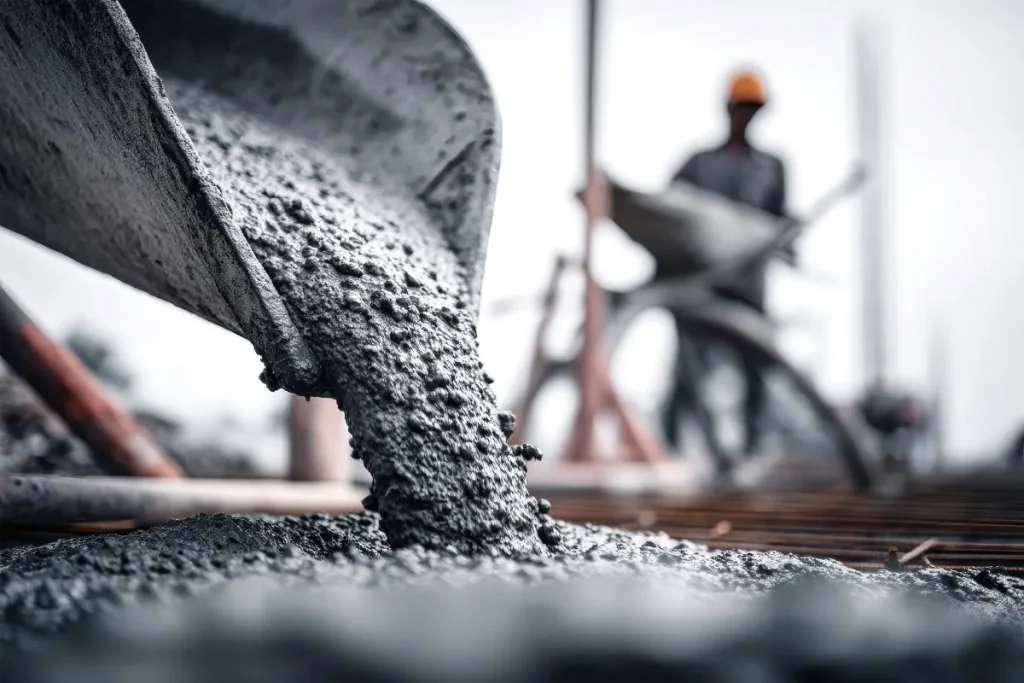
Concrete remains the most commonly used construction material in Bangladesh due to its versatility, availability, and cost efficiency. Cement, as the binding phase in concrete, governs hydration kinetics, strength development, permeability, and long-term durability.
Bangladesh’s environmental exposure conditions, including high humidity, chloride ingress, and seasonal waterlogging, place additional demands on cementitious systems, making your choice of cement even more important.
Failure to select appropriate cement types and quality grades can result in:
- Reduced compressive strength
- Increased permeability and chloride ingress
- Accelerated reinforcement corrosion
- Premature structural distress
Given the increasing scale of infrastructure development under national growth initiatives, a systematic and standards-based approach to cement selection is essential.
Getting this choice wrong does not just mean cracks. It means corrosion of steel reinforcement, structural weakness, and costly repairs within years of construction.
For most Bangladeshi families, home construction represents a significant long-term financial commitment, often requiring years of savings and planning. While cement quality plays an important role in concrete performance, the durability and service life of a structure depend on a combination of factors, including mix design, construction practices, curing, and environmental exposure.
That is the weight of this decision!
The Scale of Bangladesh’s Construction Industry
Bangladesh has one of the fastest-growing construction sectors in South Asia. The cement industry has an installed capacity exceeding 60 million metric tons annually, with actual consumption typically ranging between 35 and 45 million metric tons depending on market conditions.
Major infrastructure projects under Vision 2041 drive much of this demand, including roads, bridges, metro rail, and urban housing.
That scale brings enormous variation in material quality. Knowing how to separate reliable cement from the rest has never mattered more.
Climate-Specific Challenges That Affect Cement Performance
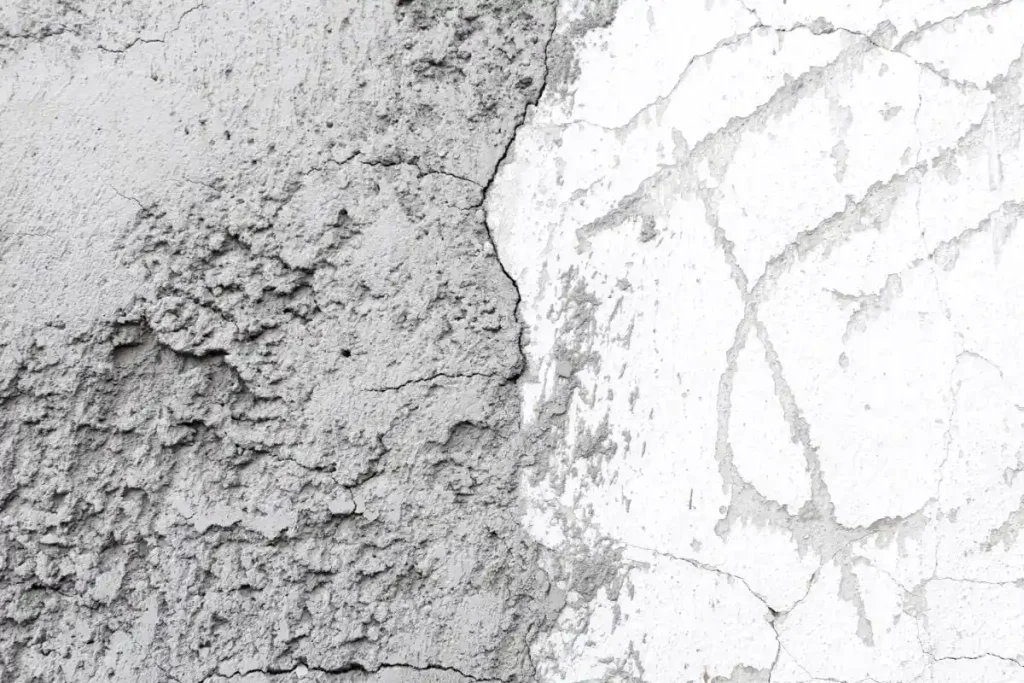
Bangladesh’s environment creates four specific stresses that your cement must handle:
- High relative humidity, averaging 70 to 80 percent, speeds up surface carbonation
- Saline groundwater and coastal air push chloride into concrete and corrode the rebar inside
- Seasonal waterlogging exposes foundations to prolonged moisture and chemical leaching
- High temperatures accelerate hydration and demand cement with controlled heat output
You might be wondering: Does climate change really affect structural performance?
Absolutely. A cement that performs acceptably in a dry region can fail structurally in Bangladesh’s coastal or flood-prone areas within a decade.
Types of Cement Available in Bangladesh
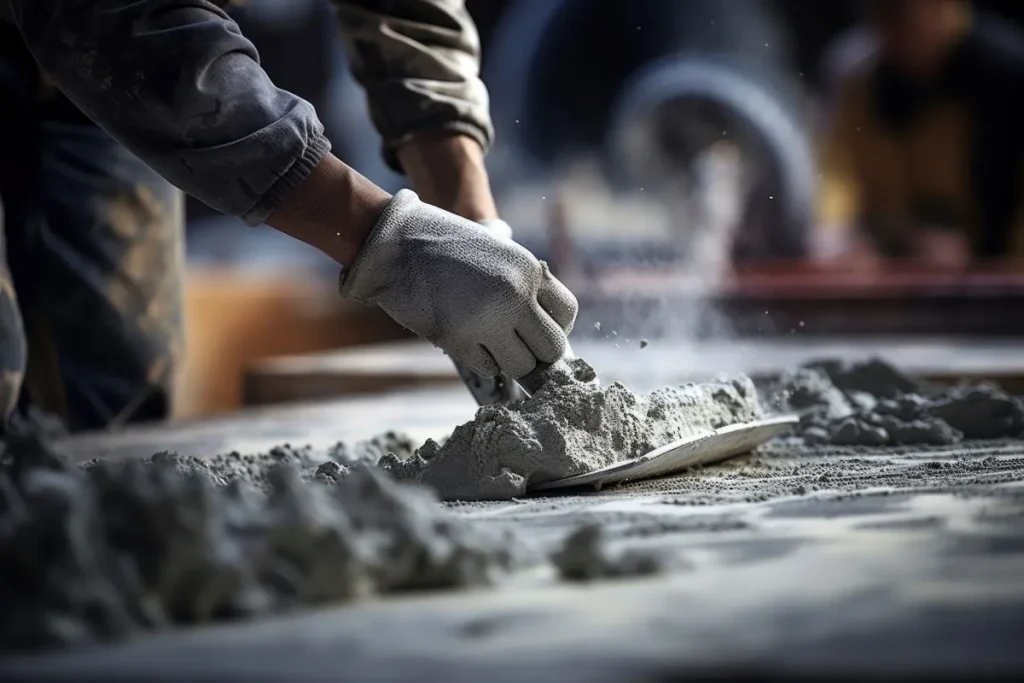
Not all cement is created equal, and the type you choose can significantly affect both cost and performance.
In Bangladesh, the market primarily revolves around two main categories, with a few specialized options gaining traction in high-specification projects. Let us break it down clearly so you know exactly what you are working with.
Portland Composite Cement (PCC)
PCC has become the most widely used cement in Bangladesh by a significant margin. It blends clinker with supplementary materials such as fly ash, slag, or limestone, making it more cost-effective and environmentally friendly than pure clinker cement.
PCC offers better durability and lower heat of hydration, which suits Bangladesh’s tropical climate very well. Lower heat output means less thermal cracking during large pours, a critical advantage during the Bangladeshi summer months.
For most residential projects, PCC is widely considered the best quality cement in Bangladesh for balancing cost, durability, and climate performance.
Ordinary Portland Cement (OPC)
OPC is traditionally known for its high early strength and faster setting time. It is commonly used in heavy construction such as bridges, high-rise RCC structures, and industrial facilities where compressive strength at early ages is critical.
However, OPC is generally more expensive due to higher clinker content and greater energy consumption during production.
Specialized Cement Types
Sulfate-resistant cement and low-alkali cement are still niche products in the Bangladeshi market.
Still, demand is growing as construction standards evolve, particularly for foundation work in sulfate-rich delta soils and for infrastructure exposed to industrial effluents.
The table below compares the most common cement types in Bangladesh, their composition, best uses, and relative costs.
| Cement Type | Key Composition | Best Use in Bangladesh | Relative Cost |
| PCC (Portland Composite) | Clinker + Fly Ash/Slag | Residential, general construction, mass concrete | Moderate |
| OPC (Ordinary Portland) | 95%+ Clinker + Gypsum | High-rise RCC, bridges, industrial structures | Higher |
| Sulfate Resistant (SRC) | Low C3A clinker blend | Foundations in saline/delta soils | Higher |
| CEM I (Pure Clinker) | 95–100% Clinker | Pre-stressed concrete, fast-track infrastructure | Highest |
Key Parameters That Define the Best Quality Cement in Bangladesh
Even within the same cement type, quality can vary dramatically from one brand to another. Knowing which parameters to evaluate puts you in control of your project’s structural integrity.
Compressive Strength at 3, 7, and 28 Days
Compressive strength is the primary indicator of cement quality. It is measured in megapascals (MPa) at three time intervals. Early strength at 3 and 7 days matters for construction speed, while 28-day strength determines the final structural capacity.
Fineness and Particle Size
Finer cement particles hydrate more completely and fill microscopic voids in the concrete matrix more effectively. Fineness is measured by specific surface area.
This matters especially in Bangladesh’s climate because finer particles contribute to a denser, more impermeable concrete surface, which is your first line of defense against moisture and chloride ingress.
Setting Time
Initial setting time must be at least 30 minutes to allow proper placement and compaction. Final setting should not exceed 600 minutes.
Be careful here: cement that has been exposed to moisture during storage may exhibit false setting, where it stiffens prematurely in the mixer but has not actually hydrated properly.
Soundness
Soundness tests confirm that the cement will not expand excessively after hardening. Expansion creates internal stress that leads to cracking over time. The Le Chatelier test measures this, with an acceptable expansion set at 10mm or less.
Chloride Content
In Bangladesh specifically, this parameter deserves extra attention. Chloride ions are the primary cause of rebar corrosion in coastal and flood-exposed structures.
BSTI and international standards require chloride content below 0.1% by mass. Always verify this on the manufacturer’s test certificate.
How to Check Cement Quality Before and After Purchase
You do not need a laboratory for every check. A few simple tests at the point of purchase or delivery can catch common quality problems early.
But hang on, there is more to it: these field checks are a first filter, not a replacement for certified testing on structural projects.
On-site Checks Before Accepting a Delivery
Before accepting any cement delivery, run through these five practical checks without exception:
- Verify BSTI and ISO certifications: Every cement bag should clearly display the BSTI seal. Reputable brands also carry ISO certifications confirming quality, durability, and environmental compliance.
- Fine powder and temperature test: Rub a small pinch between your fingers. It should feel completely smooth, not gritty. Insert your hand into a freshly opened bag. It should feel cool. Warmth indicates early hydration and reduced strength.
- Inspect the bag stitching: Original factory stitching is tight, uniform, and consistent. Loose or uneven stitching can indicate re-bagging, where low-quality cement is repackaged inside a trusted brand’s bags.
- Buy only from authorized dealers: To avoid counterfeit or adulterated cement, purchase exclusively from authorized stockists. Ask for the original batch delivery documents if procuring large quantities.
Simple Field Tests for Quick Assessment
These tests take less than five minutes and can catch obvious quality issues on the spot.
- Float Test: Drop a small pinch of cement into still water. Good cement will float briefly before sinking without clumping.
- Lump Presence Check: Visually inspect and press the bag. Good cement will be free-flowing with no hard lumps. Lumps indicate moisture ingress and partial setting.
- Hand Feel Test: Rub cement between fingers. Good cement will give a smooth, fine feel similar to flour. A gritty or harsh feel may indicate coarse particles or adulteration.
- Temperature Test: Insert a hand into a freshly opened bag. Good cement will feel cool. A warm or hot temperature indicates premature hydration due to moisture exposure.
Here is something many builders skip: always request the third-party test certificate from your supplier before large structural pours.
In Bangladesh, BSTI-approved testing labs can run a full quality verification within 3 to 5 working days. The cost is minimal compared to the risk.
Why Seven Rings Cement Stands Out in Bangladesh
There are dozens of cement brands available in Bangladesh, and choosing among them can feel overwhelming.
There is a reason engineers and contractors keep recommending the same names. Let us look at what actually makes a cement worth trusting, and why Seven Rings Cement is one of the best quality cements in Bangladesh.
Advanced Manufacturing Technology
Seven Rings Cement uses two key technologies that set it apart from most competitors in Bangladesh.
The Vertical Roller Mill (VRM), installed at the Dhaka and Chattogram plants, grinds cement to a more consistent particle size than conventional systems. Finer, uniform particles pack together more tightly in concrete, reducing voids and limiting water penetration.
In Bangladesh’s humid and saline environment, that extra density goes a long way in protecting steel reinforcement from corrosion.
EDXRF (Energy Dispersive X-Ray Fluorescence) technology handles continuous chemical analysis. It monitors quality from raw materials all the way through to the finished product. Every batch is held to the same standard.
For structural work, that kind of consistency is just as important as compressive strength.
The Seven Rings Product Range
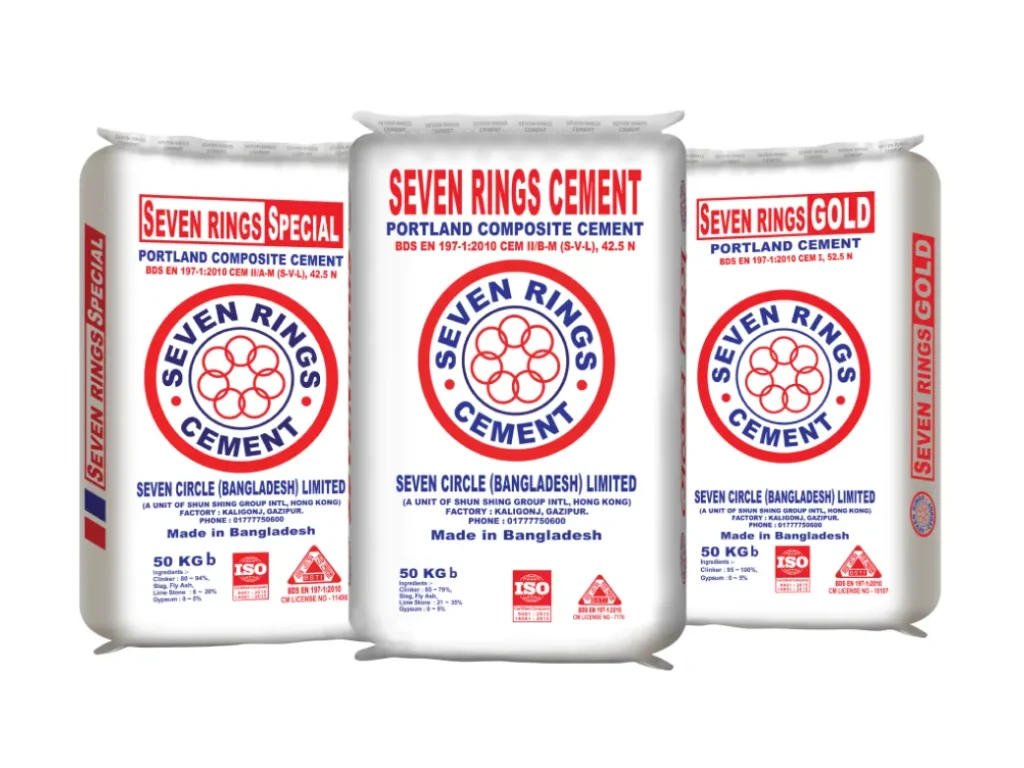
Each product in the Seven Rings lineup is designed to meet specific engineering requirements, from everyday plastering work to the heavy-duty demands of mega-infrastructure projects. Let’s have a look at the table below:
| Product | Standard | Key Composition | Best For |
| Seven Rings Cement | CEM II/B-M | Clinker, gypsum, slag, fly ash, limestone | General construction, low-rise residential buildings |
| Seven Rings Special | CEM II/A-M | Higher clinker content blend | High-rise RCC, columns, beams, heavy slabs |
| Seven Rings Gold | CEM I | 95–100% clinker | Pre-stressed concrete, bridge decks, fast-track projects |
| Seven Rings (PPC) | IS 1489 Part 1: 2015 | Portland Pozzolana Cement | Mass concrete, long-term durability |
Production Scale and Supply Reliability
Scale matters in construction. Seven Rings Cement operates with an annual production capacity of 8.4 million metric tons across three strategically located plants in Bangladesh.
This is backed by Asia’s largest raw material trading network, which ensures consistent clinker and additive quality regardless of global supply chain pressures.
For large projects, supply reliability is as important as product quality. Inconsistent supply forces contractors to mix batches from different sources, which can introduce variability in concrete performance. Seven Rings’ production scale and distribution network directly reduces this risk.
Specific Use Cases Where Seven Rings Cement Excels
- High-rise RCC structures where Seven Rings Special delivers the column and beam strength required by structural designs.
- Bridge and infrastructure projects where Seven Rings Gold’s rapid strength gain supports fast-track construction timelines.
- Coastal and flood-prone construction where VRM-produced cement’s impermeability advantage helps protect rebar from chloride attack.
- Mass concrete pours, such as raft foundations, where the lower heat of hydration of PCC variants prevents thermal cracking.
For most Bangladeshi families, home construction represents a substantial long-term financial commitment often requiring years of savings and planning. In contrast, cement quality is a critical factor in concrete performance and the durability and service life of a structure.
Choosing the Right Cement for Your Specific Project
Now, let us bring all of this together into practical guidance. The right cement depends on your project type, location, and the specific structural demands you are working with. Here is a direct guide for the most common construction scenarios in Bangladesh.
Low-Rise Residential Construction
For standard residential buildings, PCC-based cement such as Seven Rings Cement (CEM II/B-M) is the well-rounded choice. It delivers adequate strength, better long-term durability, and lower heat of hydration that reduces early cracking risk during hot weather pours.
High-Rise and RCC-Intensive Buildings
For high-rise structures with demanding column, beam, and slab specifications, you need higher clinker content and reliable early strength. Seven Rings Special (CEM II/A-M) is designed specifically for this application, with the compressive performance needed for multi-story RCC work.
Bridges, Roads, and Infrastructure
Fast-track infrastructure projects require cement that gains strength quickly to meet construction program requirements. Seven Rings Gold (CEM I) with its 95 to 100% clinker content is the right choice here, providing the rapid early strength needed for pre-stressed elements and bridge decks.
Coastal and Flood-Prone Areas
This is where chloride resistance and impermeability become the deciding factors. Portland composite cement with low chloride permeability is essential. Seven Rings products benefit from VRM grinding technology, which improves particle density and reduces water penetration risk.
Certifications to Look for When Buying Cement in Bangladesh
Certifications are your traceable quality guarantee. Without them, you have no independent verification of what is inside that bag. Here is what to look for in the Bangladeshi market specifically:
BSTI Certification
The Bangladesh Standards and Testing Institution (BSTI) mark is the primary domestic quality certification for cement sold in Bangladesh. Every bag from a legitimate manufacturer should display the BSTI seal.
You can verify a brand’s BSTI license number directly on the official BSTI portal to confirm it is valid and current.
ISO 9001 Quality Management Certification
ISO 9001 certification confirms that the manufacturer operates a documented, audited quality management system. It does not just say the product meets a standard. It confirms that the process producing that product is consistently controlled and verified.
EN and ASTM Compliance for Internationally Specified Projects
For internationally specified projects or export-grade products, look for EN 197-1 or ASTM C150 compliance markings. Seven Rings Cement PPC, for example, meets IS 1489 (Part 1) 2015 standards, making it recognized across a range of international project specifications.
Conclusion
Choosing the best quality cement in Bangladesh is about more than compressive strength numbers. It is about understanding your environment, your project’s structural demands, and the track record of the brand you trust to hold it all together.
PCC remains the dominant and practical choice for most residential and general construction in Bangladesh. At the same time, OPC (CEM I) variants are the right call for high-strength, fast-track infrastructure projects.
In both cases, verifying BSTI certification and independent test results before large pours is non-negotiable.
Seven Rings Cement offers a range of cement products comparable to CEM I and blended cement types (PCC), supported by large-scale production capacity. Such capabilities can contribute to supply reliability and product consistency, which are important factors in meeting the demands of Bangladesh’s construction sector.
However, performance suitability should be evaluated based on certified material properties and project-specific requirements. Whether you are building a family home or a bridge, start with the right cement, and the structure will take care of itself.
Frequently Asked Questions (FAQs)
1. Which cement type is best for residential construction in Bangladesh?
PCC is the most widely recommended cement for residential construction in Bangladesh. It offers good long-term durability, lower heat of hydration suited to the tropical climate, and is more economical than pure OPC. Seven Rings Cement CEM II/B-M is a well-suited option for this use case.
2. How do I verify if cement in Bangladesh is genuine?
Check for the BSTI seal on the bag and verify the license number on the official BSTI portal. Buy only from authorized dealers. Inspect the bag stitching for uniform factory-quality seams. Request the batch test certificate from the supplier for large procurement orders.
4. Why is chloride resistance so important for construction in Bangladesh? Bangladesh’s coastal areas, saline groundwater, and seasonal flooding expose concrete to high chloride concentrations. Chloride ions penetrate permeable concrete and cause rebar corrosion that expands inside the structure and leads to cracking and long-term weakening. Using low-permeability cement significantly reduces this risk.
5. Can I use the same cement for foundations and superstructure?
Not always. Foundation cement in Bangladesh may need sulfate and chloride resistance depending on soil conditions. The superstructure is typically specified for strength. Always follow your structural engineer’s specification, which will define the cement type and grade for each element.
6. What W/C ratio should I target for structural concrete in Bangladesh?
A water-to-cement ratio between 0.40 and 0.55 is recommended for structural concrete. Avoid adding excess water for workability. Use a plasticizer instead. A W/C ratio above 0.60 significantly increases porosity and permeability, which is especially problematic in Bangladesh’s humid and saline environment. “For reinforced concrete exposed to chloride environments, lower W/C ratios (≤0.45) are recommended to limit permeability.”
7. How does Bangladesh’s climate affect cement curing?
High temperatures speed up hydration, which can cause surface drying before the concrete has gained adequate internal strength. Wet curing for a minimum of 7 days for OPC and 14 days for PCC is recommended. During summer, curing should begin immediately after finishing, and surfaces should be kept continuously moist to prevent premature cracking.


