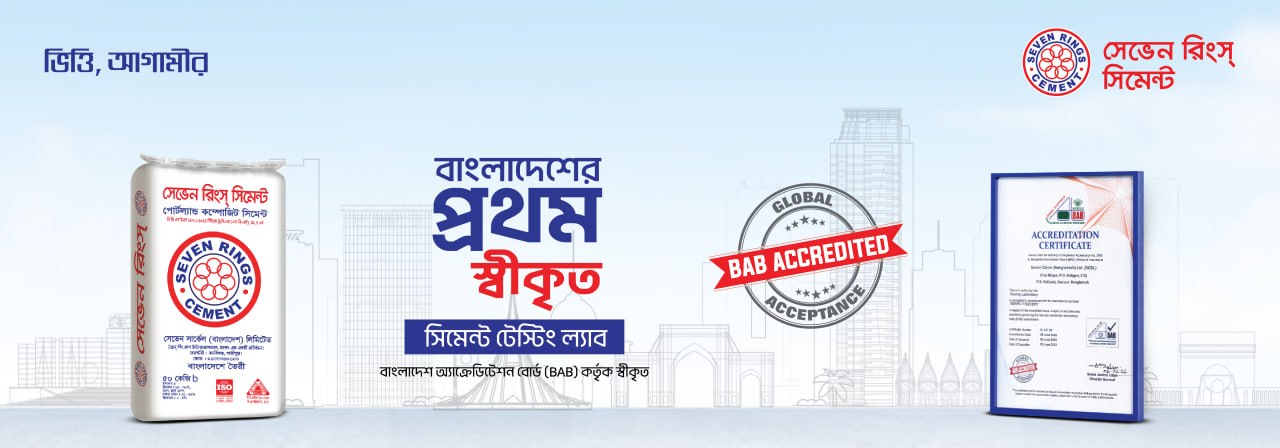
What is Accreditation?
Accreditation is the formal, third-party recognition that a laboratory operates competently and generates valid, reliable results. Specifically, ISO/IEC 17025:2017 sets the general requirements for the competence, impartiality, and consistent operation of laboratories. It is the internationally recognized standard that testing and calibration laboratories worldwide use to demonstrate their technical competence. Accreditation goes beyond mere certification—it is objective, scientific validation that a laboratory possesses the organizational structure, personnel qualifications, equipment, testing methods, environmental controls, measurement traceability, sample management, and reporting systems necessary to deliver trustworthy results.
How is Accreditation Achieved?
Achieving ISO/IEC 17025:2017 accreditation is a rigorous and demanding process. Laboratories must first implement a quality management system that meets the standard’s comprehensive requirements. The standard encompasses five key sections: general, structural, resource, process, and management system requirements. Laboratories typically require six months to one year of preparation before the accreditation assessment. The assessment itself involves thorough evaluation by an independent accreditation body, covering everything from technical competence and equipment calibration to documentation and staff training. Following the closure of any non-conformances, the accreditation certificate is issued—a formal recognition that the laboratory has demonstrated the competence required to consistently produce technically valid results.
Why is Accreditation Important?
Accreditation to ISO/IEC 17025 is globally recognized and signals that a laboratory has achieved a level of competence, impartiality, and operational consistency that inspires confidence. For the cement industry, where the integrity of every bridge, high-rise, and highway depends on material quality, this is non-negotiable. Accredited laboratories ensure standardization across all product testing, which is essential for maintaining production quality. Test results from accredited laboratories are acceptable globally and considered equivalent across international borders through Mutual Recognition Agreements. Furthermore, accreditation strengthens the technical validity of laboratory operations and promotes confidence in technical decision-making. It transforms a laboratory from a routine testing facility into a strategic asset that drives innovation, quality assurance, and environmental responsibility.
How Seven Rings Cement Achieved Accreditation
Seven Rings Cement, owned by Hong Kong’s Shun Shing Group and with 37 years of legacy in Bangladesh, operates a state-of-the-art testing laboratory accredited to ISO/IEC 17025:2017 and certified by the Bangladesh Accreditation Board (BAB). This achievement builds upon the Group’s long-standing commitment to quality—since 1993, Shun Shing Group companies have achieved third-party certification of Quality Management Systems conforming to ISO 9001 series standards, and also certified for ISO 14001 for environmental management.
The laboratory’s accreditation was secured through meticulous implementation of the ISO/IEC 17025 framework, covering all aspects of laboratory operations. Today, cement samples are tested every hour, and results are regularly cross-checked with BUET (Bangladesh University of Engineering & Technology) to ensure uncompromised standards. This lab-enabled precision, combined with German-engineered LOESCHE VRM plants and real-time CCR monitoring, ensures the production of the strongest and most consistent cement. The company is also certified under ISO 9001:2015 (Quality Management) and ISO 14001:2015 (Environmental Management), reflecting a holistic approach to quality and sustainability.
Impact on the Industry
Seven Rings Cement’s accredited laboratory has set a new benchmark for Bangladesh’s cement industry. By demonstrating that world-class quality assurance is achievable locally, the company has raised the bar for competitors and elevated customer expectations. The accreditation validates that cement produced in Bangladesh can meet and exceed both local and global standards. This multi-layered verification—hourly in-house testing, independent BUET cross-checks, and international accreditation—ensures that every kilogram of cement delivers guaranteed, uncompromised performance.
Beyond its own brand, Seven Rings Cement leverages 37 years of raw material trading expertise through Cemcoa Limited to supply top-tier clinker to cement manufacturers globally. The accredited laboratory thus serves a dual purpose: ensuring product excellence for domestic infrastructure while enabling international credibility for exports. In a nation where infrastructure is the backbone of economic growth, accredited laboratories are not merely technical facilities—they are enablers of national development, driving innovation, quality, and environmental responsibility across Bangladesh’s cement industry.
This accreditation impacts SCBL testing to ensure absolute precision, elimination test variability and guaranteeing that laboratory results are legally and globally defensible.
Product reliability and Operational Excellence
- Consistent Quality: Accreditation mandates rigorous testing of raw materials and final cement product to ensure structural strength.
- Defect Prevention: Continuous internal and external audits optimize equipment faults and process deviations.
- Elimination Variances: Standardized protocols stop errors caused by ambient humidity, incorrect water-to-cement ratios or curing temperature drifts.
- Calibration Machinery: This certificate ensures that major test equipment like Compressive strength tester, Blaine air-permeability apparatuses and X-ray fluorescence (XRF) spectrometer etc. are continuously calibrated and 100% effective.
- Competent Personnel: Laboratory technicians must pass regular, documented proficiency testing (PT) to prove their manual testing accuracy.
Flawless Traceability: Sample tracking systems prevent sample mix-ups from raw to final 28-days test.

